キャンプで育つ、
6つの力。Small moments.
Lasting lessons.
一歩を踏み出す。仲間に気づく。次の変化を考える。6つの原則がキャンプの中でどんな行動につながるのか、短いストーリーでたどります。A first step. A thoughtful check-in. A decision made before the weather changes. Explore how our six principles can become actions in everyday camp moments.
自分のペースで、もう一歩。One more step, at your own pace.
場面THE MOMENT
ハイキングの途中、上り坂で足が重くなり、立ち止まった子がいました。頂上ばかりを見ると、道のりがとても長く感じられます。On an uphill walk, a child stops as their legs begin to tire. Looking only at the distant destination makes the remaining trail feel overwhelming.
子どもの行動THE RESPONSE
ガイドと水を飲んでひと休みし、次の曲がり角までを小さな目標にしました。仲間も歩く速さを合わせます。休みながら、自分の足で一歩ずつ進みました。After a water break with the guide, the child chooses the next bend as a smaller goal. Friends match the pace. With time to rest, the child keeps moving one step at a time.
ここで育つ力WHAT THIS CAN TEACH
忍耐力は、つらさを我慢し続けることだけではありません。休み方や助けの求め方を知り、自分に合った方法で続ける力です。Perseverance is more than enduring discomfort. It includes knowing when to rest, how to ask for help, and how to find a way to keep going.
仲間の声を聞くことから。Leading starts with listening.
場面THE MOMENT
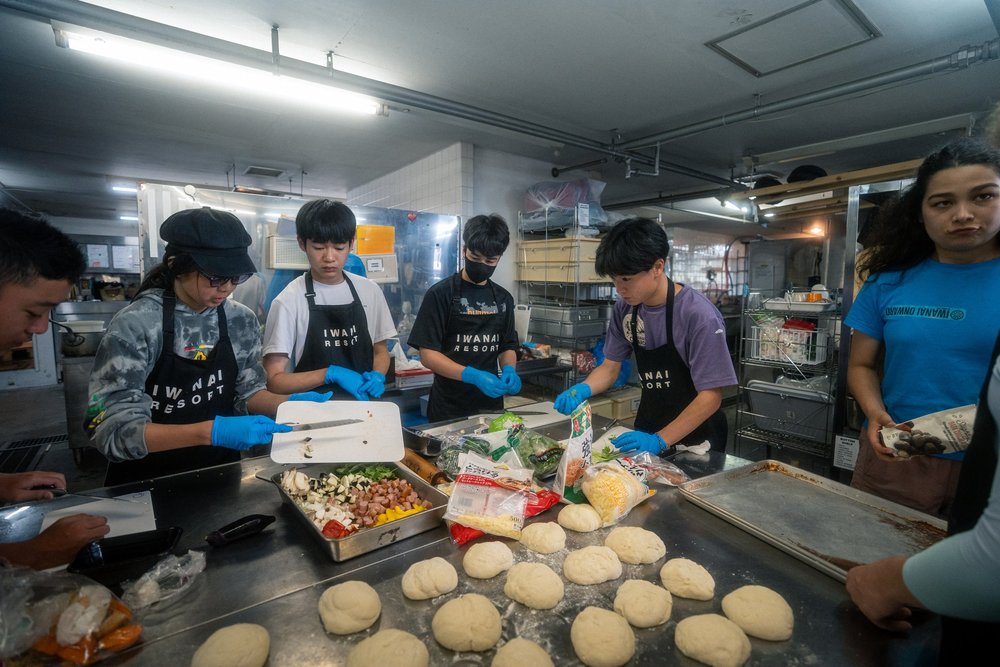
夕食の準備で、何から始めればよいか分からず、チームの手が止まってしまいました。一人だけで全部を進めようとしても、うまくいきません。During dinner preparation, a group is unsure where to begin. One person trying to do everything cannot move the whole team forward.
子どもの行動THE RESPONSE
その日のリーダー役が、みんなの得意なことや、やってみたいことを聞きました。道具を並べる係、食材を運ぶ係などを一緒に決め、困っている仲間に声をかけながら進めました。The child taking a turn as leader asks what everyone enjoys and would like to try. Together they share jobs, from laying out equipment to carrying ingredients, and check in with anyone who needs support.
ここで育つ力WHAT THIS CAN TEACH
リーダーシップは、一番大きな声で指示することではありません。仲間が動きやすい状況をつくり、全員の力を生かすことです。Leadership is not about giving the loudest instructions. It is about helping others contribute and creating conditions in which the whole group can succeed.
小さな一歩も、立派な挑戦。A first try can be a small one.
場面THE MOMENT
初めてのカヤックを前に、不安で岸から離れられない子がいました。周りが楽しそうに見えるほど、自分だけが怖がっているように感じます。Before a first kayak outing, a child feels unsure about leaving the shore. Seeing others look excited can make that uncertainty feel lonely.
子どもの行動THE RESPONSE
ガイドは急がせず、まず岸で道具を確かめ、一緒に座ってみるところから始めました。本人が準備できたと感じたら、穏やかな水面で短い距離だけ漕いでみます。The guide does not rush. They check equipment together and begin by simply sitting in the kayak near shore. When the child feels ready, they try a short paddle on sheltered water.
ここで育つ力WHAT THIS CAN TEACH
勇気は、怖さがなくなることではありません。自分の気持ちを伝え、支えを受けながら、できそうな一歩を選ぶことです。Courage does not mean having no fear. It can mean naming a feeling, accepting support, and choosing a manageable next step.
言葉になる前の、小さなサイン。Noticing the quiet teammate.
場面THE MOMENT
トレイルを歩くチームの後ろで、いつもよく話す子が静かになりました。先を急ぐと、その変化は見過ごされてしまいます。At the back of a walking group, a usually talkative child grows quiet. A team focused only on getting ahead could miss that change.
子どもの行動THE RESPONSE
近くの仲間が気づいて声をかけ、ガイドにも伝えました。チームで休憩を取り、水分や荷物を確かめてから、みんなが無理なく歩けるペースに調整しました。A teammate notices, checks in, and lets the guide know. The group takes a break, checks water and equipment, and adjusts to a pace everyone can manage.
ここで育つ力WHAT THIS CAN TEACH
周りを見る力は、相手の気持ちを決めつけることではありません。変化に気づき、聞いてみて、必要な助けにつなげる力です。Social awareness is not guessing what someone feels. It means noticing changes, asking with care, and helping someone reach the support they need.
次に起こることを、考えてみる。Think about the next wave.
場面THE MOMENT
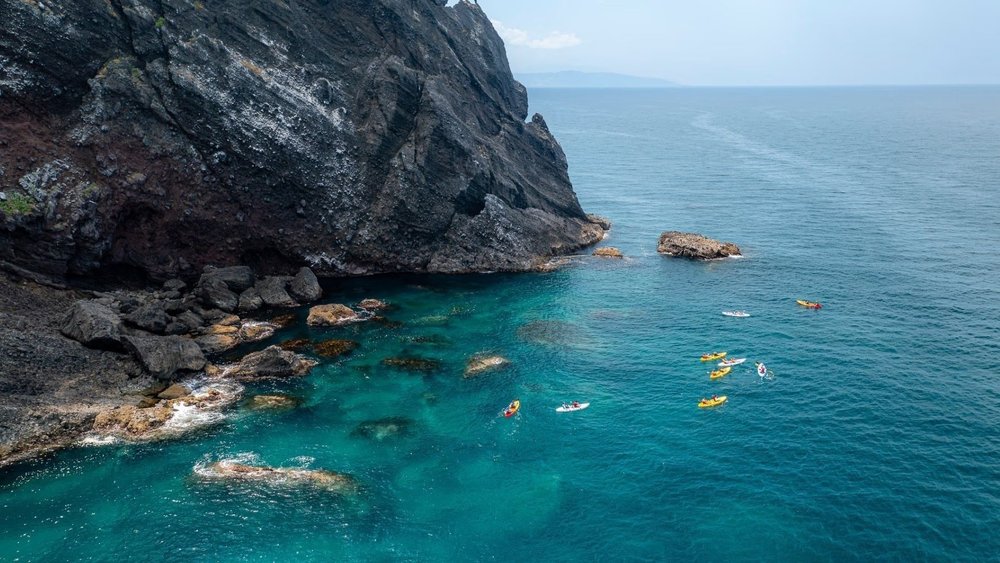
カヤックの出発前、入り江は穏やかでしたが、遠くの水面には小さな波が見えていました。今いる場所の様子だけでは、その先までは分かりません。Before a kayak outing, the sheltered bay looks calm, while small waves are visible farther out. Conditions nearby do not tell the whole story.
子どもの行動THE RESPONSE
ガイドと一緒に、風の向き、雲、水面の違いを観察しました。子どもたちは変化した場合の行動を話し合い、最終的なルートや実施の判断はガイドが行いました。With the guide, the children observe wind direction, clouds, and differences in the water. They discuss how they might respond to change, while the guide makes the final route and safety decisions.
ここで育つ力WHAT THIS CAN TEACH
未来を予測する力は、必ず正解を当てることではありません。手がかりを集め、いくつかの可能性を考え、早めに準備する力です。Anticipation is not about predicting everything correctly. It is about gathering clues, considering possible changes, and preparing before they arrive.
小さな役割が、みんなを支える。Your small task matters.
場面THE MOMENT
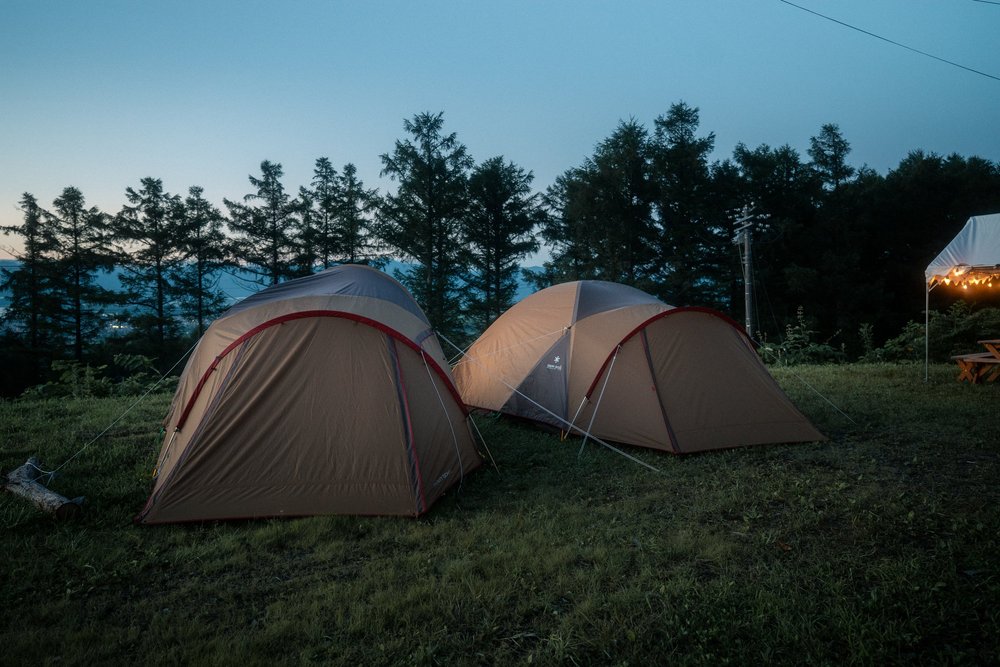
出発の準備で、共同で使う道具が一つ見つかりませんでした。自分の荷物を整えるだけでは、チーム全体の準備は終わりません。As the group prepares to leave, a shared piece of equipment is missing. Having a personal bag packed does not mean the whole team is ready.
子どもの行動THE RESPONSE
担当の子は見つからないことを隠さず伝え、ガイドと一緒に確認しました。その後は、使った道具を戻す場所と、出発前に確かめることを自分のノートにまとめました。The child responsible for the item speaks up and checks with the guide. Afterwards, they note where shared equipment belongs and what to check before the next departure.
ここで育つ力WHAT THIS CAN TEACH
責任を持つことは、失敗しないことではありません。自分の役割を引き受け、困ったときに伝え、次の行動につなげることです。Responsibility does not mean never making a mistake. It means owning a role, speaking up when something goes wrong, and following through with a better next step.
小さな経験を、これからの力に。Carry the learning home.
6日間のプログラムやガイドの考え方、安全への取り組みも、メインページでご覧いただけます。Explore the six-day program, meet the guides, and learn about our approach to safety on the main page.